2026-27 Self-Growth Planner
In today's fast-paced digital world, the 2026-27 Self-Growth Planner stands out as a versatile design asset that bridges personal development with professional creativity. Whether you're a designer, marketer, or creative entrepreneur, this planner offers a unique blend of functionality and visual appeal that can elevate your projects. Designed for both print and digital use, it provides a structured yet customizable framework that aligns perfectly with modern graphic design principles.
Understanding the 2026-27 Self-Growth Planner
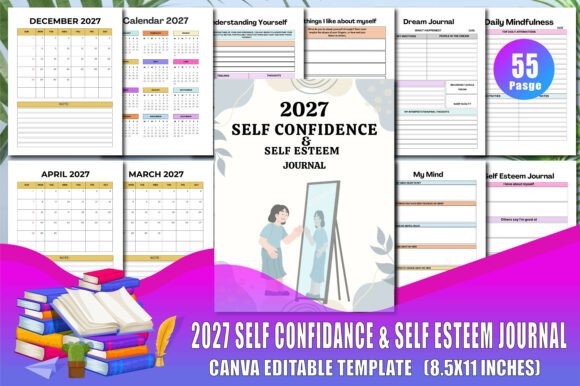
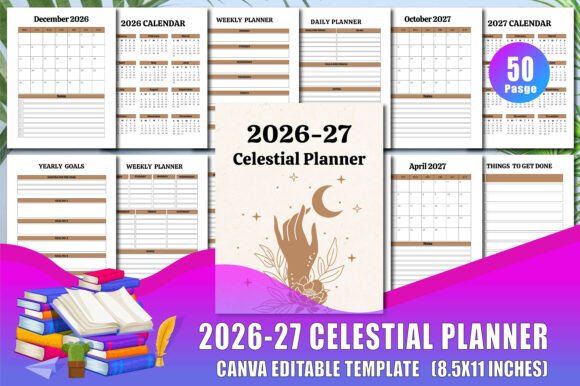
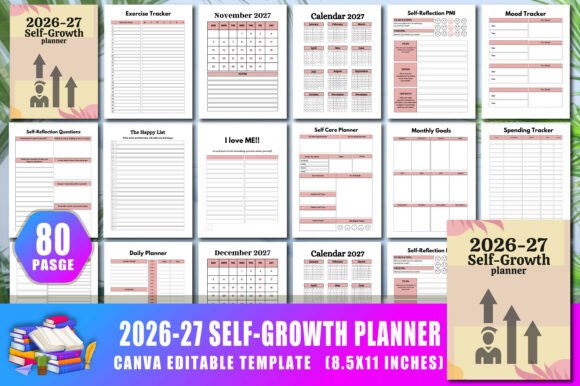
The 2026-27 Self-Growth Planner is more than just a calendar—it’s a comprehensive tool for tracking progress, setting goals, and maintaining personal accountability. Its structure includes daily, weekly, and monthly planning sections, along with trackers for habits, moods, expenses, and more. This makes it an ideal resource for individuals looking to streamline their self-improvement journey while also offering a rich source of inspiration for designers seeking to create visually compelling content.
For graphic designers, the planner presents an opportunity to experiment with layout, typography, and color theory in a real-world context. The inclusion of holiday calendars, contact lists, and habit trackers allows for creative freedom in designing layouts that are both functional and aesthetically pleasing. Whether used as a standalone product or integrated into larger branding efforts, the 2026-27 Self-Growth Planner serves as a canvas for innovation.
Design Applications and Practical Uses
The 2026-27 Self-Growth Planner can be adapted across various design fields. For instance, in branding and logo design, its clean structure can help establish a cohesive visual identity that resonates with users. In social media graphics, the planner's elements—such as habit trackers and reading logs—can be repurposed into engaging posts that promote productivity and wellness.
Web and UI design professionals can leverage the planner’s modular format to develop interactive dashboards or digital planners that enhance user experience. Similarly, packaging design can benefit from the planner’s aesthetic elements, allowing for consistent brand messaging across physical and digital touchpoints.
The 2026-27 Self-Growth Planner also supports digital marketing campaigns. By incorporating visual elements like mood trackers or expense charts, marketers can craft content that speaks directly to the target audience’s aspirations and challenges. This not only improves engagement but also strengthens brand loyalty through relatable and actionable content.
Customization and Flexibility
One of the most appealing aspects of the 2026-27 Self-Growth Planner is its adaptability. As a Canva Interior design, it allows users to modify colors, shapes, text, and imagery effortlessly. Designers can tailor the planner to match specific brand guidelines or explore new typography and color palette combinations to create a fresh look.
With features like daily meal planners, habit trackers, and bucket lists, the planner encourages a sense of personalization that can be mirrored in other creative projects. This flexibility ensures that the 2026-27 Self-Growth Planner remains relevant across different industries and audiences.
Moreover, the ability to generate high-quality print-ready PDF files makes it suitable for Amazon KDP publishing, opening up opportunities for monetization and distribution. Whether used for personal growth or commercial purposes, the 2026-27 Self-Growth Planner proves to be a valuable addition to any designer’s toolkit.
Ultimately, the 2026-27 Self-Growth Planner exemplifies how thoughtful design choices can enhance both aesthetics and communication. By leveraging its structure and customization options, designers can create meaningful and impactful visual experiences that resonate with users on a personal and professional level.